SC: Only Those with Specific Allegations Can Face Trial in Domestic Violence Cases
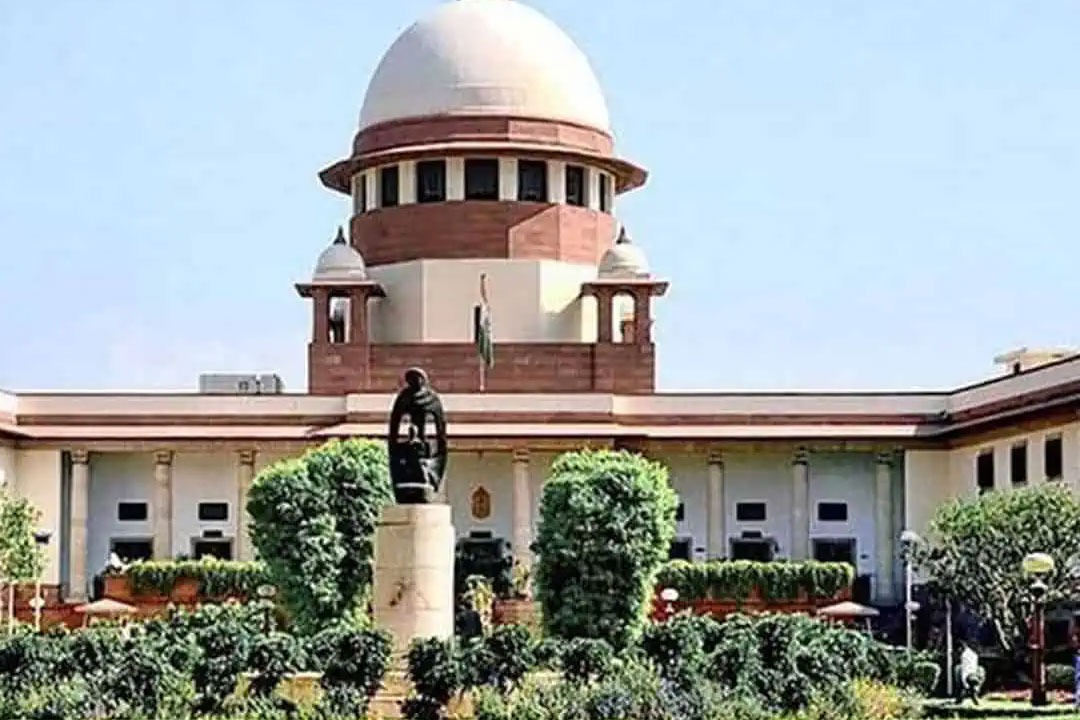
The ruling was delivered in the case of Geddam Jhansi vs. State of Telangana. The case involved a dowry harassment complaint where, in addition to the husband and his immediate family, the police also named the husband's maternal aunt and her son as accused. The Telangana High Court’s single-judge bench had refused to quash the charges against them, leading them to seek relief from the Supreme Court.
Upon review, the Supreme Court found no evidence indicating that the husband’s maternal aunt and her son had participated in the alleged harassment. Consequently, the bench quashed the criminal case against them but clarified that trial proceedings against the primary accused—the victim’s husband—could continue before the Bhongir Trial Court.
The court emphasized that without specific allegations, implicating an accused person's entire family in domestic violence cases is improper. It stated that legal action should only proceed against those for whom there is clear evidence of wrongdoing. The bench further warned against the misuse of domestic violence laws, asserting that indiscriminate accusations could weaken family structures and damage personal relationships.