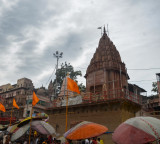
Amitabh Bachchan shares Sunday trivia on Hindu Vishnu temple in Iran
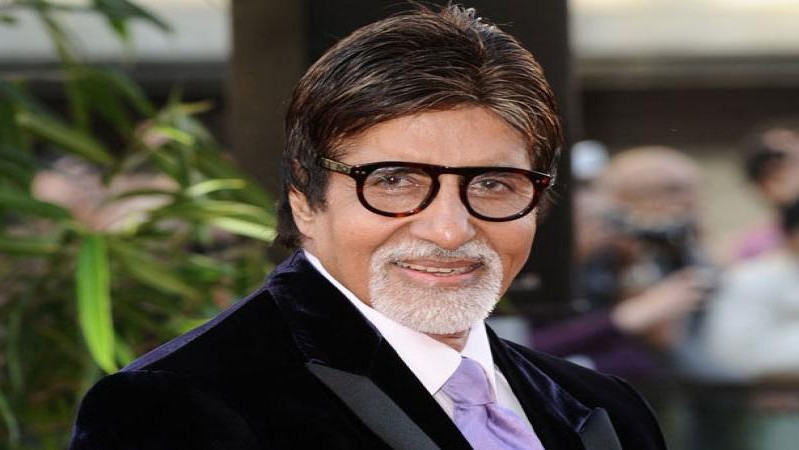
He also penned a long note in the caption, as he wrote, “The Ancient Hindu Vishnu Temple in Abbas Bandar, Iran .. Built in 1892 during the Qajar era, it was constructed for Hindu traders from India working in the city .. the song .. in Persian (sic)”.
India and Iran share a long civilizational and cultural history. Before the Partition of India in 1947, India shared its border with Iran, and the two countries were trade partners for many centuries.
Both the countries have left their cultural mark on each other. India and Iran share one of Asia’s oldest civilizational relationships, dating back thousands of years through trade, language, culture, and religion. Persian influence deeply shaped medieval Indian courts, literature, architecture, and administration, especially during the Mughal era, when Persian became a major court language.
After India’s independence, both countries formally established diplomatic ties in 1950. During the Cold War, relations fluctuated because Iran was aligned with the West while India remained non-aligned and close to the Soviet Union.
The Persian language has had a profound influence on several Indian languages, especially Hindi, Urdu, Punjabi, Bengali, and Kashmiri. During the Delhi Sultanate and Mughal periods, Persian served as the language of administration, poetry, diplomacy, and elite culture for centuries. Thousands of Persian-origin words entered everyday vocabulary, including terms related to governance, food, clothing, emotions, and literature.
In recent decades, ties strengthened through energy trade, the Chabahar Port project, and cooperation in Afghanistan. Despite sanctions and geopolitical pressures, India has maintained balanced relations with Iran due to strategic, cultural, and economic interests.